
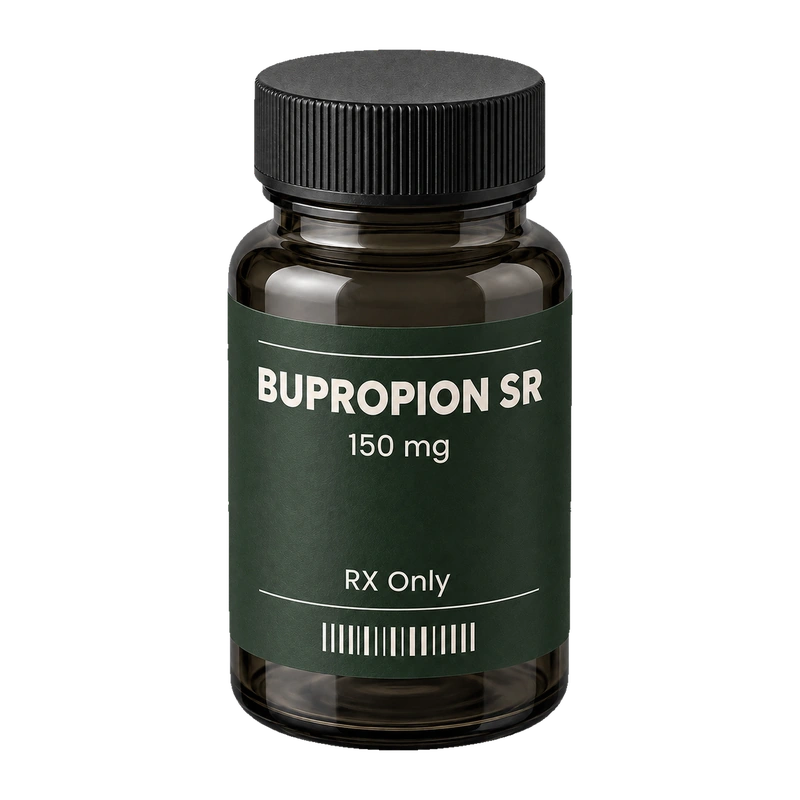

Prescription only · telehealth
Smoking Cessation
Break the habit. Keep the health.
Starting at
$45
Billed as $45 USD
Billed once for the plan length you choose.
Prescription medication. Placing an order is a request for a clinical evaluation, not a prescription. A licensed U.S. provider reviews your intake and prescribes only if treatment is appropriate for you. A prescription is not guaranteed.
- Currency
- USD. Prices shown are the total for the plan length selected.
- Billing
- One-time payment for the chosen plan length, not an auto-renewing subscription.
- Shipping
- Shipping details are shown with your selected plan.
- Returns
- Dispensed medication cannot be returned. Returns & refunds policy.
- Packaging
- Dispensed packaging may vary.
- Questions
- Contact the care team before ordering, or to cancel an order that has not shipped.
Physician-supervised cessation protocols with proven prescription medications.
About Smoking Cessation
Physician-supervised cessation protocols with proven prescription medications.
How care works
- 01
Complete Intake
Choose your medication and plan length, then complete the online medical evaluation.
- 02
Provider Review
A licensed provider reviews your intake and may request a visit. Whether anything is prescribed depends entirely on that review.
- 03
Product ships
If the provider approves treatment, a partner pharmacy fills your prescription and ships it. Nothing ships without approval.
Questions about Smoking Cessation
What is Bupropion?
Bupropion is an extended-release oral tablet, prescription medicine that is FDA approved as an aid to smoking cessation treatment.
How does Bupropion work?
Bupropion, which is an atypical antidepressant, also helps those looking to stop smoking. Although the exact mechanism of how Bupropion helps people quit smoking is not fully understood, it is believed to work through the following actions: Dopamine and Norepinephrine Reuptake Inhibition: Bupropion inhibits the reuptake of two important neurotransmitters in the brain: dopamine and norepinephrine. By blocking their reabsorption, Bupropion increases the levels of these neurotransmitters in the brain, leading to improved mood and increased alertness, which may help reduce the urge to smoke. Nicotine Receptor Modulation: Nicotine, the addictive component in cigarettes, binds to specific receptors in the brain known as nicotinic acetylcholine receptors. Bupropion is thought to partially stimulate these receptors in a way that is different from nicotine, which may help reduce nicotine cravings and withdrawal symptoms. Reduced Withdrawal Symptoms: Bupropion may alleviate some of the withdrawal symptoms associated with quitting smoking, such as irritability, restlessness, and difficulty concentrating. This can make it easier for individuals to cope with the challenges of quitting.
What can I expect with Bupropion treatment?
You begin taking Bupropion daily, 1 week before you quit smoking. This builds up the level of medicine in your body. You take Bupropion for up to 12 weeks after you stop using tobacco but you can take Bupropion for as long as 6 months to 1 year. Your medical provider will make the determination on how long your treatment should last.
How to take Bupropion?
Bupropion comes as a tablet to take by mouth. It is usually taken once a day for a few days then twice a day with or without food. Bupropion is an extended-release tablet and therefore must be swallowed whole and cannot be cut or crushed. It is very important that you have at least 8 hours between doses, and that you do not exceed two doses in a 24-hour period. Follow the directions on your prescription label carefully. Take Bupropion exactly as directed. Do not take more or less of it or take it more often than prescribed by your doctor.
What are the possible side effects of Bupropion?
Bupropion is a medication primarily used for smoking cessation and the treatment of depression. It is important to note that all medications, including Bupropion, may have potential side effects. Common side effects of Bupropion may include: Dry mouth Headache Insomnia or changes in sleep patterns Nausea or upset stomach Dizziness or lightheadedness Constipation Increased sweating Tremor or shaky hands While these are the most commonly reported side effects, it’s essential to be aware that there could be more severe or less common side effects that require immediate medical attention. For example, some people may experience mood changes, agitation, anxiety, or even suicidal thoughts. If you experience any unusual or severe reactions while taking Bupropion, it is crucial to contact your healthcare provider.
What should I do if I miss a dose of Bupropion?
If you forget to take your daily dose of Bupropion, skip the missed dose and continue your regular dosing schedule. Do not take a double dose to make up for a missed one.
How should I store Bupropion?
Keep this medication in the original container that you received it in, tightly closed, and out of reach of children. Store it at room temperature and away from excess heat and moisture (not in the bathroom).
Still deciding?
The Haptic assistant can answer questions about plans, pricing and what to expect from the evaluation. Clinical questions go to the care team, not the assistant.
Smoking Cessation
$45